When the weight of the world feels heavy on your shoulders, sometimes all you really need is someone to pray with you. It’s in those moments—nights filled with worry over your loved ones or days spent at a job that demands so much—that prayer becomes a lifeline, especially for healthcare workers.
When the Apostle Paul wrote his letters, he tackled issues of stress, division, and uncertainty in the early church. He understood the pressures of the time he lived in, much like you might feel today as a healthcare worker navigating a challenging environment. The longing for purpose, connection, and strength in prayer rings true across centuries.
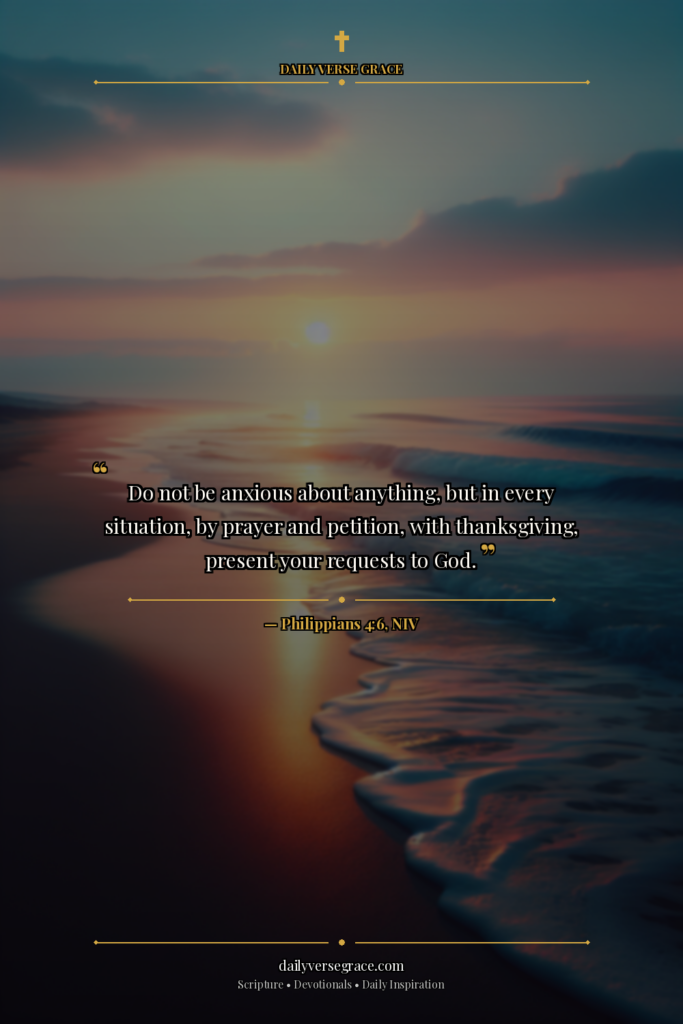
“Do not be anxious about anything, but in every situation, by prayer and petition, with thanksgiving, present your requests to God.” — Philippians 4:6, NIV
The Historical Context
Paul penned these words while imprisoned, facing the realities of isolation, uncertainty, and fear. He wrote to the church in Philippi, a community under pressure and struggling to find its footing in a world that was often hostile towards their faith. They were anxious, much like you might feel when the clock ticks down to your next shift, or when the demands of your job seem relentless. Paul offers them— and you—a reminder: prayer is your armor.
Breaking Down the Original Language
Let’s consider the word anxious. In Greek, it comes from the root word merimnao, which means to be drawn in different directions. Imagine feeling like you’re being pulled apart—between family, work, and personal responsibilities. Paul is speaking directly to that feeling when he urges you to pray instead of worry.
Also, notice the phrase with thanksgiving. This emphasizes gratitude as a pivotal part of prayer. In the thick of stress—maybe standing in a crowded emergency room or comforting a patient—remembering to express gratitude can shift your entire perspective.
What This Meant Then vs. Now
The Philippians needed encouragement in their calling, just like you do. Their context was marked by worry, uncertainty, and division. You work under mounting pressures: patient care, long hours, and heavy emotional burdens. The way Paul encourages them applies today; prayer opens a pathway to peace, a vital tool in your toolkit as a healthcare worker. It’s not just a ritual but a source of strength.
Living It Out
1. **Morning Ritual:** Start your day by taking a moment to pray before heading to your shift. Ask for peace and strength, not just for yourself but also for your patients. Imagine the impact this can have on your mindset as you face the day.
2. **Team Prayer:** If you’re part of a healthcare team, create a culture of prayer. Share your challenges, pray for patients, and lift each other up. This can create a supportive environment where everyone feels valued, not just as coworkers but as a community.
3. **Night Reflection:** After a long day, spend a few minutes reflecting on your experiences. Write down three things you are grateful for from your shift. This practice can help you combat the fatigue and emotional strain of healthcare work.
Reflection & Prayer
As you consider your calling and the pressures you face, let this question resonate: What specific fears or anxieties can you surrender in prayer? Take a moment now to pause. Pray this: “God, help me release my worries into Your capable hands. Remind me to find strength and purpose in my calling, especially for those I serve.”
Further Study
1. Matthew 11:28-30 – Jesus invites you to lay down your burdens.
2. 1 Thessalonians 5:16-18 – A reminder to rejoice and pray continuously.
3. Psalm 34:17-19 – God is near to those who are broken-hearted.
Consider journaling your thoughts on these verses this week. What do they reveal about your purpose as a healthcare worker and the power of prayer in your life?
Your journey may be tough, but remember, you are not alone. Through prayer, you can find purpose, hope, and strength to face the day ahead.
Never Miss a Verse
Get daily Bible verses delivered to your inbox.